OpenAI Joins Industry Effort to Standardize Synthetic Media Watermarking and Content Provenance for 2026

TL;DR
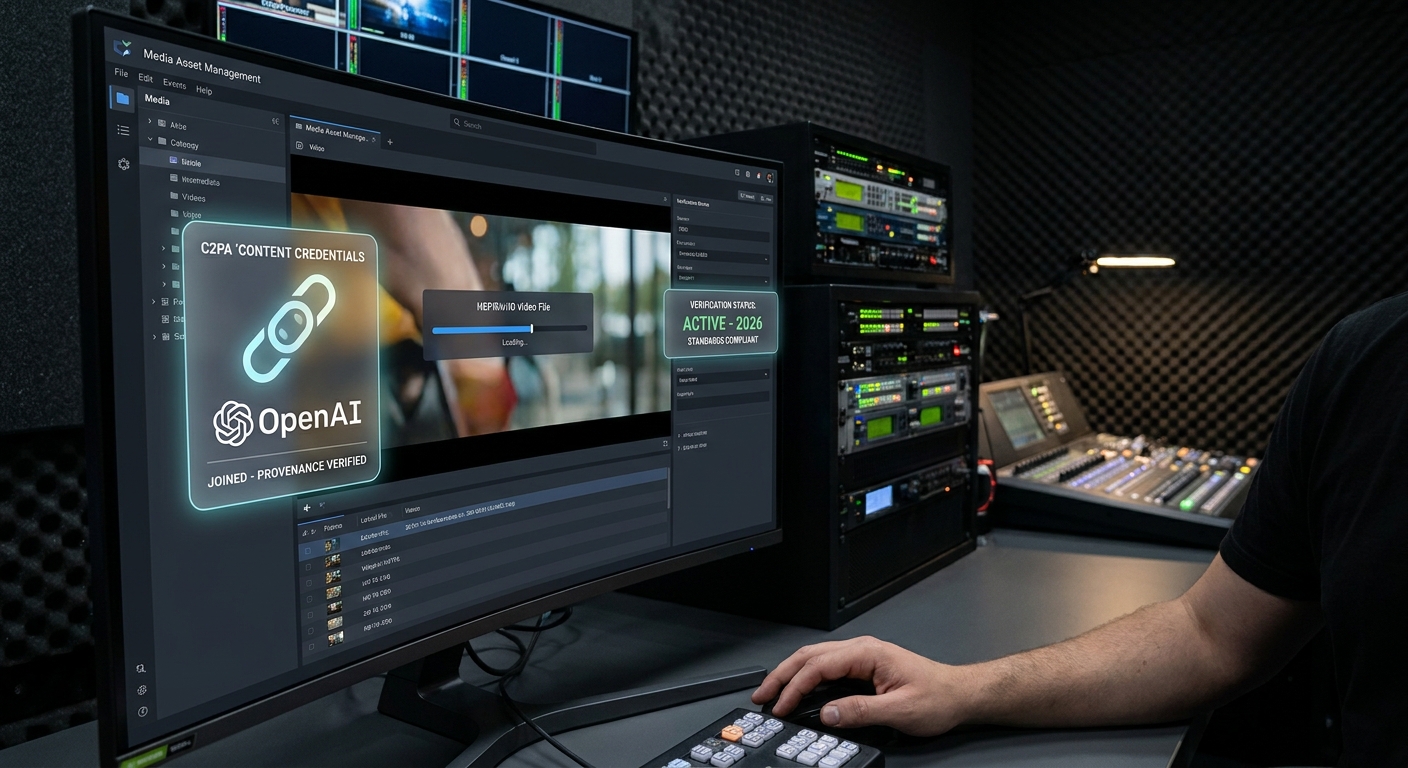
- OpenAI commits to C2PA standards for synthetic media by 2026.
- New protocols aim to combat deepfakes and verify AI-generated content.
- Strategies include resilient watermarking, digital fingerprinting, and metadata tracking.
- Industry-wide collaboration is essential for long-term digital content authenticity.
OpenAI is finally putting its weight behind a standardized approach to synthetic media, committing to a new industry protocol for watermarking and content provenance by 2026. It’s a necessary pivot. As AI-generated images, audio, and text become indistinguishable from the real thing, the "Wild West" era of digital media is hitting a wall. By aligning with the Coalition for Content Provenance and Authenticity (C2PA), OpenAI is signaling that transparency is no longer optional—it’s the price of admission for the future of the internet.
The goal here is simple: stop the guessing game. When you see a file, you should know where it came from and whether it’s been tampered with. By adopting these C2PA standards, OpenAI hopes to build a digital paper trail that survives the messy reality of social media sharing, where files are constantly cropped, compressed, and stripped of their original context.
We’ve spent the last few years watching the digital landscape get flooded with synthetic content. As highlighted in recent reports on tech companies adopting C2PA watermarking, the industry is finally waking up to the fact that labeling alone isn't enough. We need a multi-layered defense. If the provenance data doesn't stick to the file like glue, it’s useless.
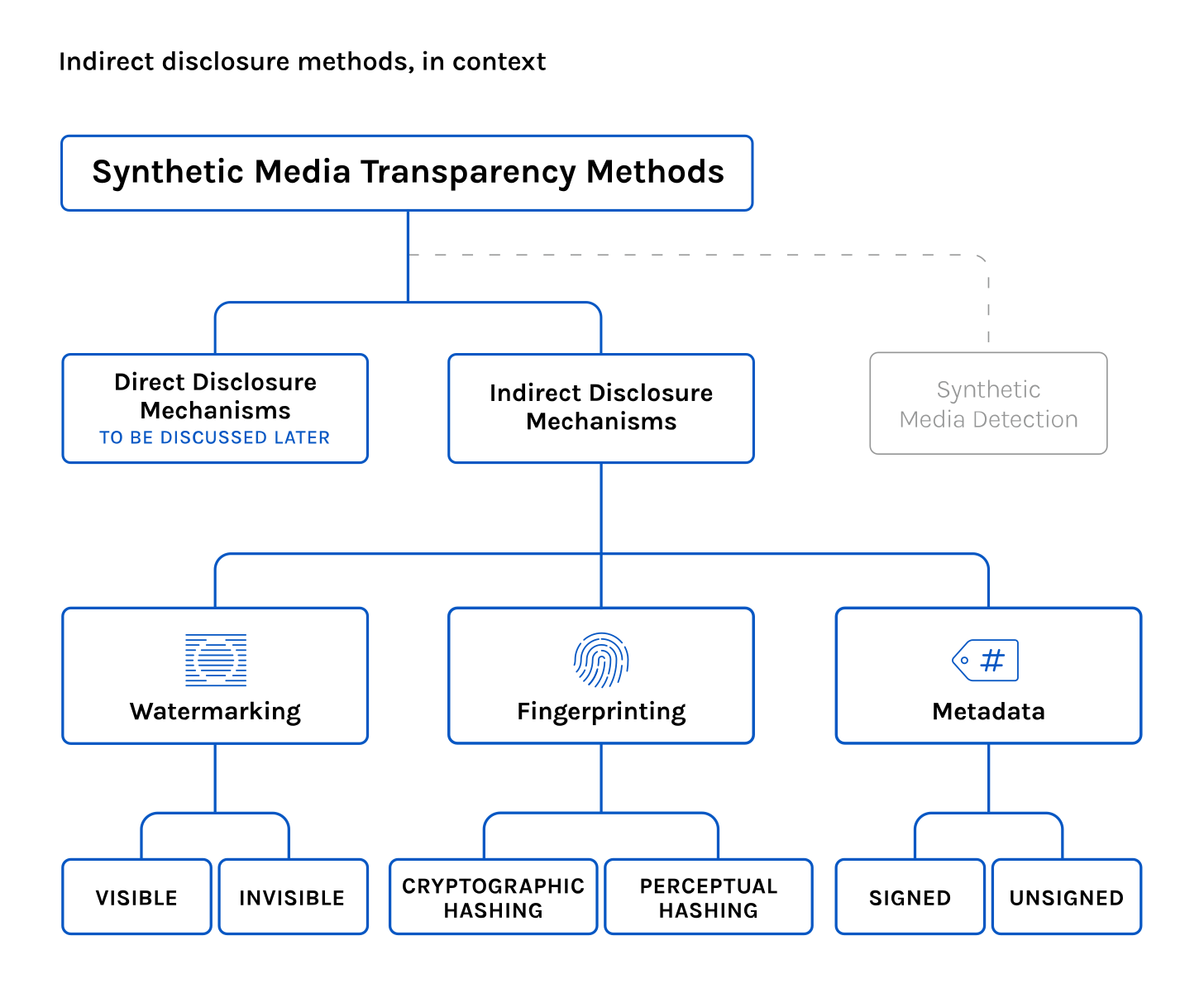
The Partnership on AI has broken this down into three core technical pillars. Think of these as the "who, what, and where" of digital verification:
- Watermarking: This is the invisible ink. Modern watermarks are designed to be resilient—they survive the inevitable resizing and format changes that happen every time a file is uploaded or shared.
- Fingerprinting: This creates a unique digital signature for a file. Even if you tweak a pixel or two, the fingerprint remains, allowing platforms to track the content back to its source.
- Metadata: This is the file's resume. It carries the creation date and origin. It’s helpful, but it’s fragile—metadata is notoriously easy to strip or fake, which is why it can’t be the only layer of security.
This shift toward transparency isn't happening in a vacuum. We’ve seen generative AI touch everything from the award-winning Japanese novel written partly by ChatGPT to the DALL-E 2 artificial intelligence cover that made waves in the magazine world. When the lines between human and machine creativity blur, the underlying infrastructure has to catch up.
| Method | Primary Function | Key Limitation |
|---|---|---|
| Watermarking | Embedded identification | Requires specialized tools to detect |
| Fingerprinting | Unique file tracking | Can break if the content is drastically altered |
| Metadata | Contextual information | Easily stripped or falsified |
The pressure to get this right is mounting. We see it in AI and music experiments on YouTube, where the need to track synthetic audio is becoming a matter of platform integrity. Major players are already leaning into C2PA-compliant watermarks to give users a reliable signal that what they’re seeing—or hearing—is what it claims to be.
The 2026 deadline is ambitious, but it’s also a reality check. A phased rollout is the only way to ensure these standards actually work against people trying to spoof or strip the data. It’s a cat-and-mouse game, and the industry is finally trying to build a better cat.
Looking ahead, the real challenge won't just be the software—it will be the hardware. For this to work, it has to be baked into everything: cameras, editing suites, and distribution platforms. If your camera doesn’t sign the photo at the moment of capture, or if your editing software wipes the provenance data when you export, the whole chain of custody breaks.
This is a massive, collaborative lift. It’s a tacit admission that for generative AI to have a long-term future, it needs to be trustworthy. By embedding these standards into the core of their systems, companies aren't just checking a box; they’re trying to build a foundation that can survive the rapid, unpredictable evolution of AI. Whether this holds up as the technology gets even more sophisticated remains to be seen, but for now, it’s the best shot we’ve got at keeping the digital world honest.