David Greene Sues Google for Allegedly Replicating His Voice

TL;DR
- Former NPR host David Greene is suing Google, alleging the AI voice in their NotebookLM tool replicates his unique vocal characteristics. The lawsuit highlights concerns over AI voice cloning, personal identity, and the ethical implications of AI-generated content. It raises critical questions about consent, ownership, and the potential misuse of replicated voices in the digital space.
David Greene Sues Google Over NotebookLM Voice
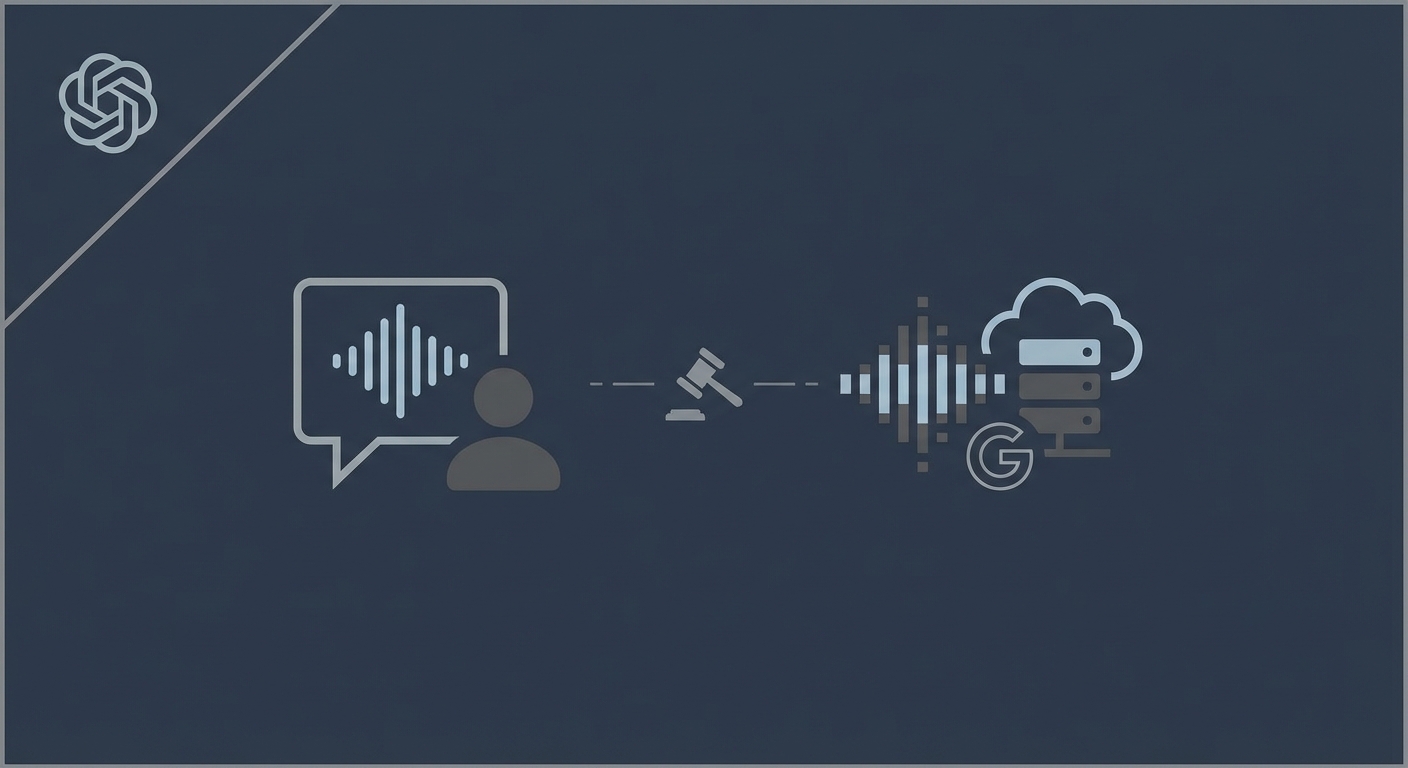
David Greene, the former host of NPR’s “Morning Edition,” is suing Google, alleging that the male podcast voice in the company’s NotebookLM tool replicates his voice. Greene claims the voice mimics his cadence, intonation, and use of filler words. The Washington Post reports that Greene believes the AI voice is "uncanny."
Greene's Perspective
Greene stated, “My voice is, like, the most important part of who I am,” highlighting the personal impact of the alleged voice replication. He currently hosts the KCRW show “Left, Right, & Center.” According to The Verge, Greene feels the harm is deeper than just a missed opportunity to capitalize on his recognizable asset.
Google's Response
A Google spokesperson told The Washington Post that the voice used in NotebookLM is unrelated to Greene, stating, “The sound of the male voice in NotebookLM’s Audio Overviews is based on a paid professional actor Google hired.” Google spokesperson José Castañeda said, “These allegations are baseless.”
Similar Cases
This dispute echoes previous incidents involving AI voices resembling real people. TechCrunch reported that OpenAI removed a ChatGPT voice after actress Scarlett Johansson complained about its similarity to her own voice. This highlights the growing concerns around AI voice replication and its ethical implications.
Legal and Technical Considerations
James Grimmelmann, a professor of digital and information law at Cornell University, notes that courts will need to determine how closely an AI voice must resemble a real voice to be considered infringing. Key factors include whether Greene’s voice is recognizable and if the resemblance causes harm. Software tools exist to compare voices, but their effectiveness in matching synthetic voices to real ones is still under evaluation. Cornell University offers resources on digital and information law.
AI and Content Authenticity
The case brings up questions about the use of AI in content creation and the importance of verifying the authenticity of AI-generated media. As AI tools like NotebookLM become more prevalent, ensuring transparency and obtaining proper consent for using voices and likenesses is crucial. This is particularly relevant in light of concerns that AI podcast tools could be used to "spread conspiracy theories and lend credibility to the nastier stuff in our society,” as Greene noted.
For more information on how company name can help you navigate the complexities of AI-driven content and ensure the authenticity of your digital assets, contact us today.