AI Restores Randy Travis's Voice for First Song Post-Stroke
TL;DR
- This article explores how AI is being used to digitally recreate the singing voices of musicians who have lost their ability to perform due to medical conditions. It details the processes used for artists like Randy Travis and Patrick Darling, discusses the underlying AI technology, and addresses the emerging ethical and legal considerations surrounding voice cloning in music.
AI Revives Voices in Music: A Technical Overview
Artificial intelligence is being used to restore the voices of musicians who have lost their ability to sing due to medical conditions. This involves creating digital replicas of their voices using existing recordings and AI models.
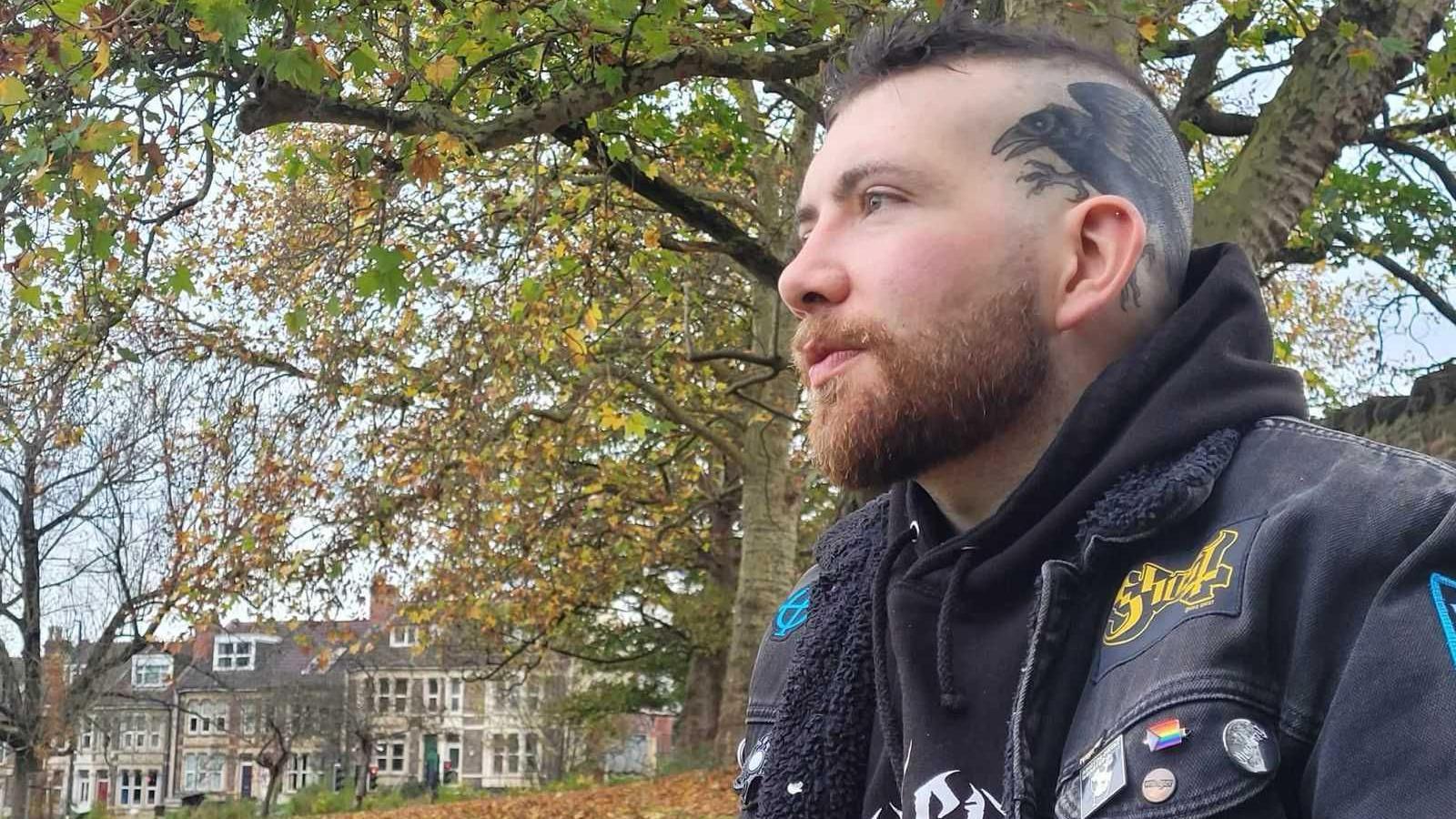
Patrick Darling, a musician diagnosed with motor neurone disease (MND), has regained his singing voice through AI digital software developed by ElevenLabs. This technology allows users to generate accurate digital replicas of voices from audio sources. "The ElevenLabs singing voice that we've created is wonderful and definitely sounds like me," said Darling. More about his story.
Randy Travis's AI-Assisted Comeback
Country music star Randy Travis, who suffered a stroke resulting in aphasia, has also had his voice recreated using AI. Warner Music Nashville collaborated with developers in London to create a proprietary AI model. This model was built using vocal stems from Travis's career, spanning from 1985 to 2013. More on Randy Travis's journey.
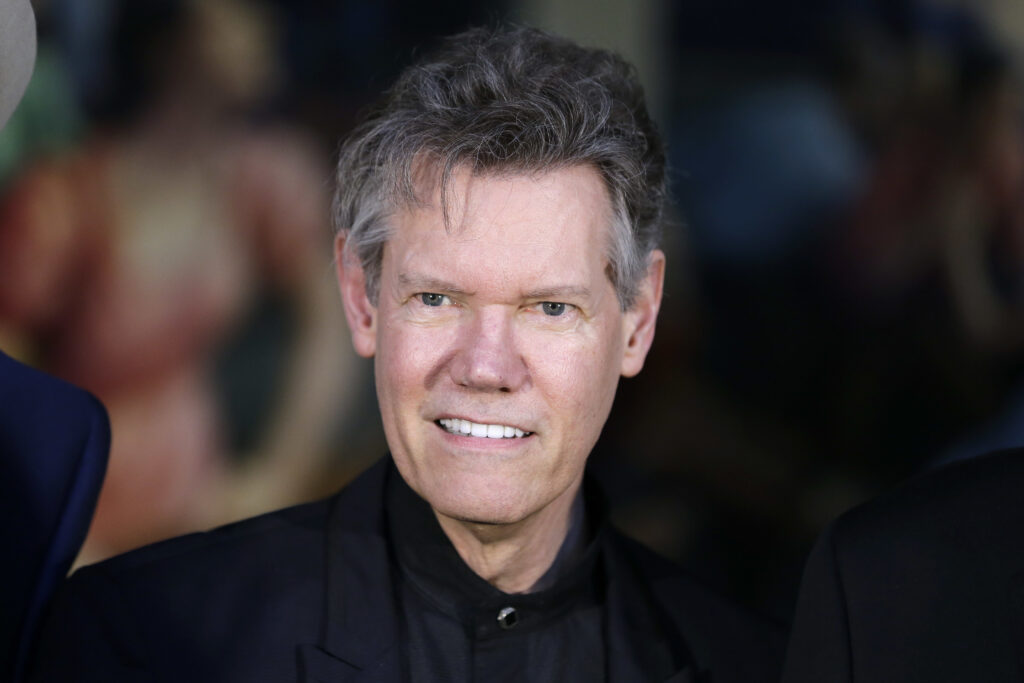
The AI model was used to create the song "Where That Came From." According to Kyle Lehning, Travis’s longtime producer, the initial AI analysis took about five minutes and was already 70-75% of the final result. Adjustments were made to aspects like vibrato speed to ensure authenticity. More about the song.
Technical Details of Voice Reconstruction
The process involves using AI models to analyze and replicate vocal characteristics. For Randy Travis's song, two models were created: one with 12 vocal stems and another with 42 stems. These models were used to process a demo vocal, and the resulting output was refined through editing and adjustments to match Travis's unique vocal style. Details on the AI process.
Engineer Casey Wood worked on the recording, making alterations to elements like vibrato and phrasing. The goal was to reflect the "old soul quality" of Travis's voice.
Ethical and Legal Considerations
The use of AI in music raises ethical and legal questions, particularly regarding artist rights. Mary Travis emphasized that the "human element" and the consent of the artist are crucial in these projects. Artist Rights Alliance has addressed an open letter calling for protections against unauthorized AI use in music. More on AI and music rights.
Tennessee passed the ELVIS Act to protect musicians from unauthorized replication of their voices using AI. Record companies have also taken legal action against AI music generators. More on the legal landscape.
Implications and Future Directions
The successful use of AI to restore voices opens new possibilities for artists who have lost their ability to perform. It also raises questions about the future of AI in music and the need for ethical guidelines and legal protections. Discussion on the future of AI in music.
kveeky.com/news is at the forefront of AI-driven product development, offering solutions for automation, workflow optimization, and content efficiency. Explore how kveeky.com/news can help you leverage AI to enhance your business. Contact us to learn more.