Deepfake Voice Fraud: $50M CEO Scam Threatens Businesses

TL;DR
- Criminals are using advanced AI, including voice cloning and video deepfakes, to impersonate executives and perpetrate CEO fraud, leading to significant financial losses for businesses globally. This article explores how deepfake technology works, real-world examples of these scams, and crucial prevention strategies for finance teams. It highlights the vulnerability of finance operations and emphasizes the need for multi-channel verification and advanced security measures to combat this evolving threat.
Deepfake CEO Fraud: A Multi-Million Dollar Threat
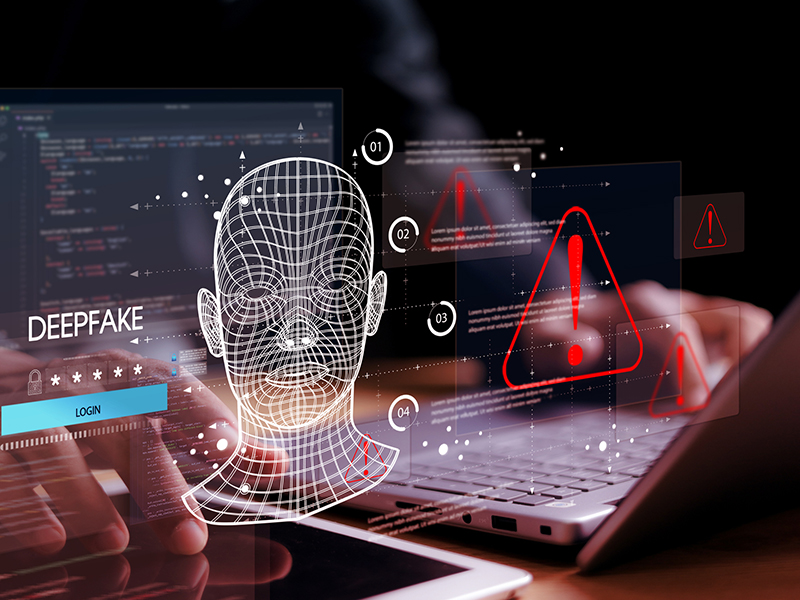
Criminals are increasingly using AI to impersonate executives, leading to significant financial losses. Deepfakes, AI-generated synthetic media, replicate a person's appearance, voice, and mannerisms. Voice cloning analyzes voice samples to recreate unique vocal characteristics, enabling attackers to generate fake speech. CEO fraud, also known as business email compromise, involves criminals impersonating executives to manipulate employees into authorizing fraudulent transactions. Finance teams are particularly vulnerable because they can directly move money.
How Deepfake Technology Works
AI models analyze voice or appearance samples to learn unique mathematical patterns. For voice cloning, modern AI tools can clone a voice with as little as three seconds of clear audio. Higher quality clones might require 10 to 30 seconds. Attackers obtain voice samples from publicly available sources such as quarterly earnings calls, conference presentations, and media interviews. They then use AI voice synthesis software to generate synthetic speech. Video deepfakes follow a similar process, requiring more source material to replicate facial movements and body language.

Real-World Cases of Deepfake Fraud
- Hong Kong Deepfake Video Conference: In early 2024, a finance worker at a multinational company was scammed out of approximately $25.6 million after a video call with deepfake versions of the company's CFO and other executives CoverLink Insurance. The case that shocked the business world happened in Hong Kong in early 2024.
- Singapore Deepfake Zoom Scam: In March 2025, another firm in Singapore lost $499,000 due to a similar attack involving a deepfake Zoom call with senior executives Brightside AI Blog.
- UK Energy Company Voice Deepfake: In 2019, a UK energy company was defrauded of $243,000 when the CEO of its UK subsidiary received a phone call from a voice impersonating the CEO of the German parent company Avast.
Deepfake Detection and Prevention Strategies
Finance teams should be trained to recognize request patterns that deviate from normal business processes. Technical indicators, though unreliable, might include unnatural audio qualities or inconsistent video backgrounds. Behavioral inconsistencies, such as the caller's inability to reference recent shared experiences, can also be a warning sign. Implementing multi-channel verification, dual authorization, and mandatory waiting periods can enhance security. Voice biometric systems and liveness detection technology can provide additional layers of protection.
Voice Cloning: How Attackers Replicate Voices
Attackers need minimal audio to clone a voice; some tools claim to do it with just three seconds of clear audio. The process involves collecting audio recordings, isolating the voice, removing background noise, and training an AI model. Once trained, the model can generate synthetic speech, allowing attackers to have live phone conversations. The realism of these deepfakes is high, with studies showing that humans correctly identify high-quality deepfake videos only 24.5% of the time Brightside AI Blog.
Why Finance Operations Are Vulnerable
Finance teams are primary targets because they have direct access to funds. Attackers understand the urgency culture in finance operations and exploit the public profile requirements of finance leadership. Traditional verification methods, such as voice recognition and video calls, are no longer reliable Brightside AI Blog.
Risk Management Considerations
Businesses should train employees to spot deepfakes and utilize detection software. Establishing response strategies and consulting cybersecurity experts are also crucial. Securing ample insurance coverage, such as commercial crime and cyber insurance, can help mitigate financial losses. Entrust's research indicates a 3,000% increase in deepfake phishing and fraud incidents since 2022.
How Company Name Can Help
At Company Name, we understand the evolving threat landscape and offer cutting-edge authentication and identity systems to protect your organization from deepfake fraud. Our CIAM platforms and access control solutions provide robust verification protocols, including multi-factor authentication and biometric analysis, to ensure that only authorized personnel can access sensitive financial systems. Contact us today to learn how we can help you safeguard your business against sophisticated AI-driven attacks Company Name.