Broadcast Media Africa Webinar Establishes Ethical Frameworks for Synthetic Voice Integration in Broadcasting

TL;DR
- Broadcast Media Africa mandates human oversight for all AI-driven newsroom operations.
- Synthetic voices require strict ethical frameworks to prevent misinformation and bias.
- AI models trained on Global North data pose risks of regional cultural erasure.
- Industry leaders prioritize human editorial judgment over purely automated content workflows.
Broadcast Media Africa Sets the Ground Rules: Ethical AI and Synthetic Voices in Broadcasting
Artificial intelligence has officially moved past the "experimental" phase in African broadcasting. It’s here, it’s loud, and it’s forcing a long-overdue conversation about where the machine ends and the journalist begins. On May 12, 2026, Broadcast Media Africa (BMA) hosted a webinar—AI and Broadcast Compliance: What Players Must Know About Emerging Regulations—to tackle the messy reality of integrating automated tech into newsrooms that pride themselves on human credibility.
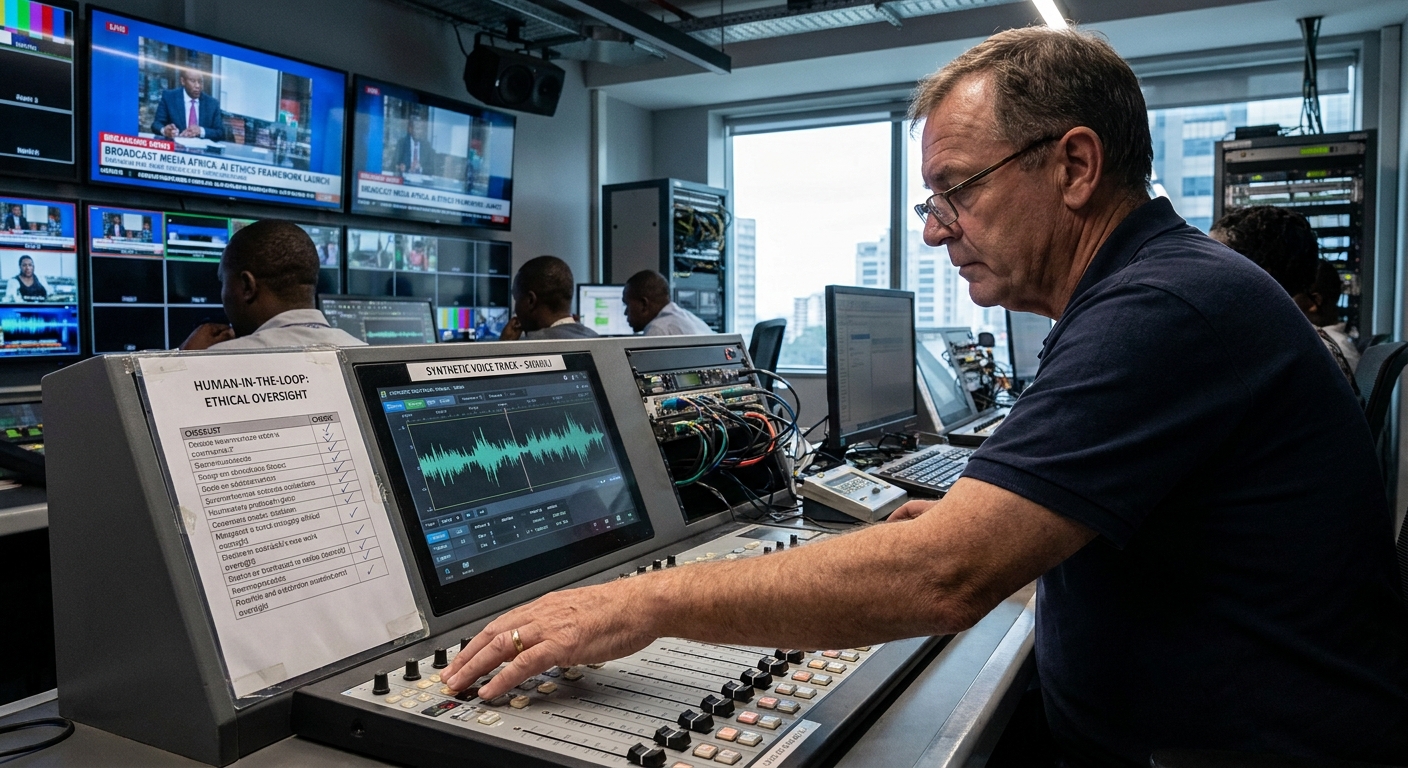
The takeaway? Efficiency is great, but it shouldn't come at the cost of our integrity. Whether it’s synthetic voices or automated analytics, the consensus among the experts was clear: human editorial judgment is the only thing standing between a productive newsroom and a PR disaster.
The New Toolkit: Where AI Actually Lives
Broadcasters across Africa are already using AI to do the heavy lifting. It’s not just about flashy tech; it’s about survival in a 24/7 news cycle. But speed has a price, and using these tools requires a sharp eye for both what they can do and where they fall flat. Currently, the industry is leaning on AI for:
- Multilingual Localization: Breaking down language barriers by adapting content for diverse audiences.
- Automated Subtitling: Making broadcasts accessible in real-time.
- Synthetic Voice Generation: Spinning up narration and voice-overs without the studio time.
- Compliance Tracking: Using algorithms to keep an eye on broadcast standards.
- Audience Analytics: Digging into data to see what actually resonates with viewers.
- Script Development: Helping writers get past the dreaded blank page.

The "Global North" Problem
Here is the elephant in the room: most of the AI models we use today were raised on data from the Global North. When you feed a system that lacks context on African languages, cultures, and nuances, you don’t just get "neutral" output—you get bias. You get distortion.
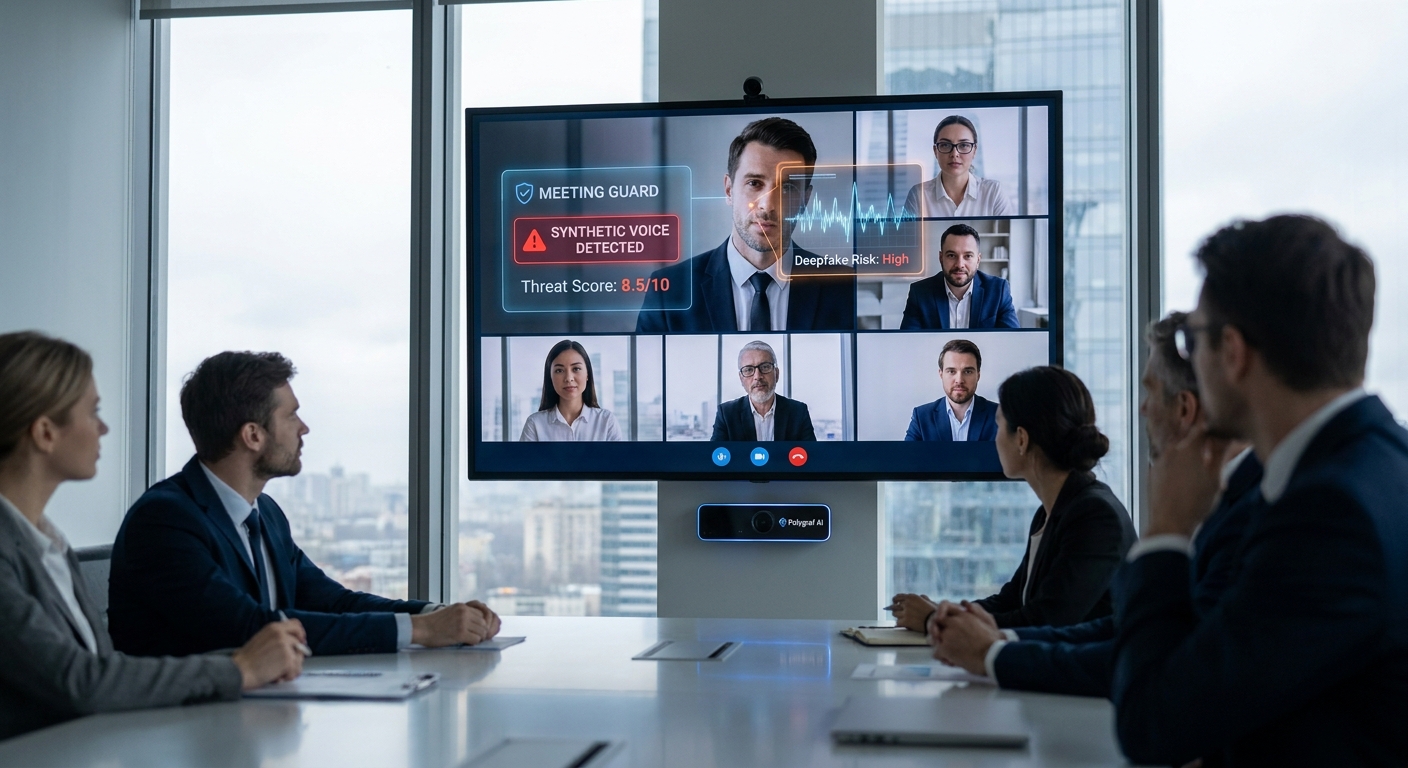
The experts at the BMA webinar were blunt about the risks. If we rely on imported models, we risk a form of digital erasure. Deepfakes and misinformation aren't just theoretical threats; they are active risks to the trust newsrooms have spent decades building. The solution isn't to ban the tech, but to demand better governance. We need ensuring ethical AI integration in African broadcasting by building indigenous datasets that actually reflect the continent’s linguistic landscape.
The Newsroom Responsibility
The Wits Centre for Journalism has been pushing the industry to face these responsibilities head-on. It’s not enough to just "use" AI; you have to own the output. Here is how the industry is looking to bridge the gap between innovation and accountability:
| Challenge | Mitigation Strategy |
|---|---|
| Algorithmic Bias | Investment in indigenous language datasets. |
| Misinformation | Mandatory human editorial oversight. |
| Regulatory Gaps | Development of locally relevant AI governance. |
| Cultural Erasure | Context-aware AI training and model design. |
Accountability in the Age of Automation
To keep the industry from going off the rails, we need standards. The AI Broadcast Compliance guidelines serve as a reminder that while AI can churn out content at lightning speed, it cannot take the blame when things go wrong. That responsibility remains firmly with the broadcaster.
Transparency is the best policy here. If a voice is synthetic, tell the audience. If a script was assisted by an algorithm, be open about it. Trust is the currency of broadcasting, and it’s far too easy to lose.
Moving forward, the goal isn't to replace the journalist with a machine. It’s to build an ecosystem where technology acts as a tool for human intent, not a substitute for it. By investing in local infrastructure and keeping human editors in the loop, African broadcasters can harness the power of AI without losing their soul. It’s a tall order, but it’s the only way to ensure that the future of African media remains accurate, authentic, and, most importantly, human.