The Role of Text-to-Speech Technology in Marketing

TL;DR
- ✓ Neural TTS replaces robotic voices with natural, emotive, and brand-aligned human speech.
- ✓ Audio-first marketing captures audiences who prefer consuming content while multitasking on the go.
- ✓ Converting static archives into audio libraries significantly increases your existing content ROI.
- ✓ Emotional synthesis allows brands to match speech delivery to their unique brand personality.
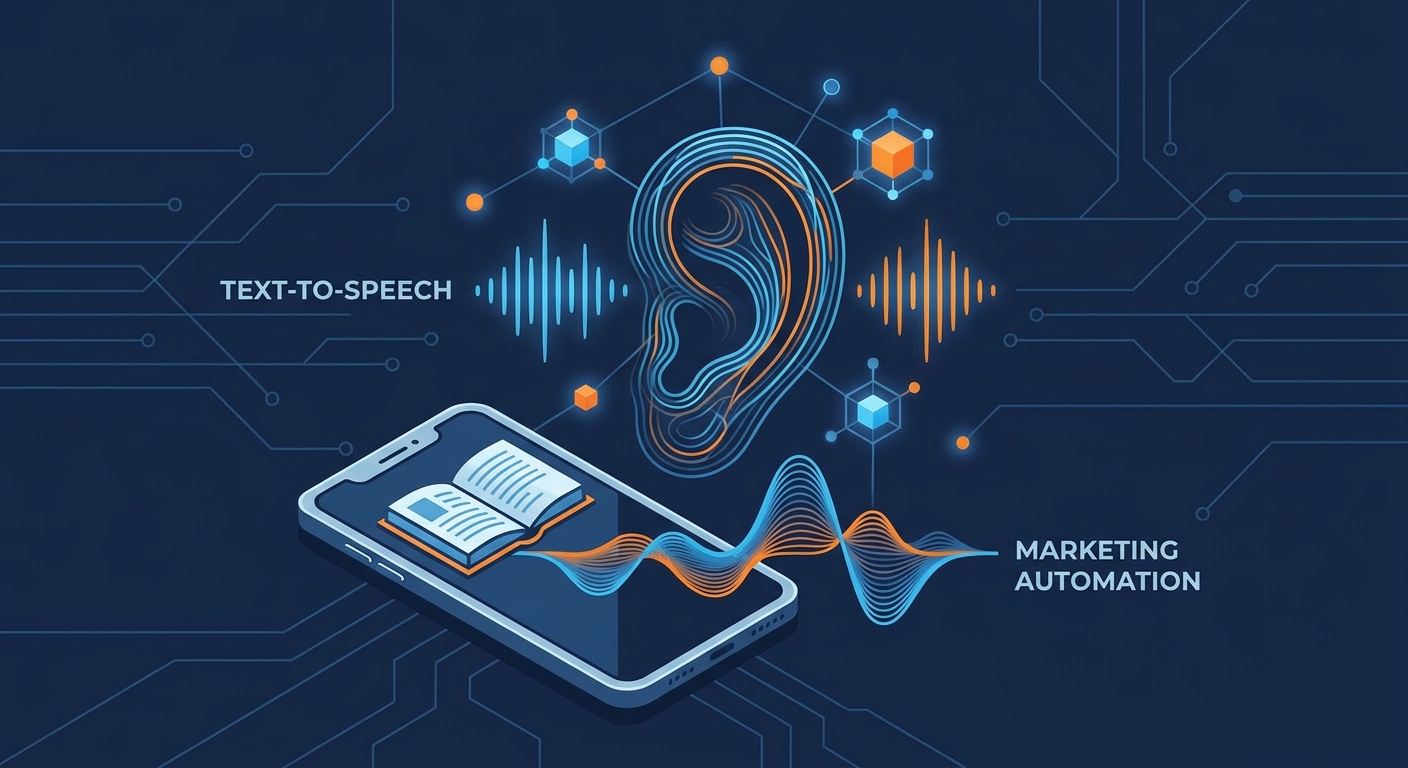
Text-to-speech (TTS) isn't just a niche accessibility toggle anymore. It’s the backbone of the 2026 "audio-first" marketing stack. Remember those old GPS voices? The ones that sounded like a robot having a mid-life crisis? Forget them. Modern neural TTS is the bridge between static, dusty blog posts and the fast-moving, multi-modal world consumers live in today.
As the global text-to-speech market continues its explosive growth toward a projected $4.8B+ valuation, brands that ignore synthetic audio are basically choosing to stay silent. Your customers are listening. Are you talking to them?
Why the "Read-Only" Era is Toast
Let’s be real: nobody has time to sit and stare at a screen for 2,000 words anymore. The modern consumer is a professional multi-tasker. They’re juggling Slack pings, morning commutes, and laundry all at once. They want to consume your brand’s wisdom, but they want to do it while walking the dog or driving to work.
As highlighted in recent analysis on the rise of audio-first content, audio isn't just a sidekick to video. It’s the primary interface for discovery. When you turn your written assets into audio, you aren’t just slapping a "listen" button on your site. You’re reclaiming the attention of a massive audience that has been ignored by text-only strategies. TTS is the engine that turns your static archives into a scalable, high-conversion audio library.
How Neural TTS Changed the Game
To get where we are, you have to look at the trash we used to call "TTS." Legacy systems were just digital Frankenstein; they stitched together pre-recorded snippets of speech. The result? A disjointed, soul-crushing monotone that everyone recognized as "fake."
Neural TTS is different. It uses deep learning to mimic the actual mechanics of human speech. It handles the breath, the pause, the subtle inflection at the end of a question, and the rhythmic flow of a good argument. We call this Emotional Synthesis. You can dial in the tone—whether it’s the calm, steady cadence of a support guide or the punchy, high-energy delivery of a sales ad—to make sure the voice matches your brand’s personality perfectly.
Core Use Cases for TTS in 2026
The real beauty of TTS? It multiplies the ROI of work you’ve already finished. You’re sitting on a goldmine of content that’s currently just gathering dust in your archives.
Maxing Out ROI
Most teams blow 90% of their budget on a white paper, post it once, and watch it die in a search index a week later. Through our expert content repurposing services, we help brands flip those high-performing assets into podcasts, audio newsletters, and social snippets. You get to stay consistent across every audio platform without paying for a voice actor or dealing with the headache of scheduling studio time.
Leveling Up Customer Experience
TTS is also fixing the broken customer journey. Think about your IVR (Interactive Voice Response) system. It’s usually frustrating, robotic, and outdated. With neural TTS, you can deploy dynamic, personalized scripts. Imagine a system that greets customers by name or provides real-time updates in a voice that sounds like a real member of your team. Plus, you can localize accents and dialects instantly. Launching a global campaign in ten languages? No problem. You keep the same brand voice across every territory without hiring local talent for every single iteration.
Accessibility as a Growth Engine
For years, accessibility was just a "compliance checkbox"—something you did to keep the lawyers away. In 2026, it’s a competitive advantage. Following the latest AI accessibility guidelines, smart brands are realizing that audio versions of their content are a massive engagement booster.
When you offer an audio version, you’re opening doors for neurodiverse audiences, folks with visual impairments, and the "on-the-go" crowd. It’s inclusive, but it’s also smart SEO. If a user spends five minutes listening to your article instead of bouncing after a five-second glance, your "Time-on-Page" metric goes through the roof. Search engines love that. It’s a signal that your content is actually worth reading (or listening to), which boosts your authority.
Integrating TTS into Your Stack
Don’t treat TTS as a shiny toy. It’s a core layer in your generative AI pipeline. You shouldn't be moving files around manually. You should be building automated workflows that do the heavy lifting for you.
As we outline in our guide on how we help brands scale with AI, the goal is a seamless "generative video" pipeline. Feed a script into a neural engine, pair it with automated visual AI for B-roll, and push it to your social channels in minutes. That’s the difference between a team that reacts to the market and one that leads it.
Keeping it Real (Even with AI)
The biggest pushback? The "Humanity Gap." Skeptics say AI voiceovers feel cold or hollow. And they’re right—if you use the wrong tools or the wrong approach, it shows.
Authenticity isn't about where the voice comes from. It’s about how you use it. If you use AI to replace human connection, you’ll fail. If you use it to amplify your human strategy—by providing accessibility, convenience, and reach—you build trust.
We recommend being transparent. There’s no shame in using tech to provide a better experience. In fact, consumers respect brands that are open about their process. Use the machine for the grunt work, but keep the human in the driver’s seat.
The Outlook: From Experimental to Essential
We’re barreling toward a world of real-time, interactive audio. Soon, voice cloning will let your brand’s AI assistant respond to a customer in real-time, matching their tone and intent perfectly. What feels like an experiment today will be standard enterprise infra by the end of the decade. The companies that start building their strategy now—defining their brand voice and optimizing for accessibility—will own the audio-first landscape of 2030.
Frequently Asked Questions
Does using AI-generated voices hurt my brand’s authenticity?
Not if you’re honest about it. Authenticity is built on consistent value. If AI audio helps you reach more people, your audience will appreciate the accessibility. The "fake" label only sticks when you try to trick people into thinking a machine is a human.
How can TTS help me improve my website’s SEO?
TTS improves SEO by increasing "Time-on-Page" and nuking your bounce rate. By offering an audio version of your text, you cater to audio-first consumers and neurodiverse users—both of which are key signals search engines use to judge content quality.
What is the difference between legacy TTS and the 'Neural' TTS used in 2026?
Legacy TTS was like a digital Frankenstein—piecing together recordings. Neural TTS uses deep learning to understand context, emotion, and rhythm. It sounds fluid and human, not like a broken elevator announcer.
Is there a legal requirement to disclose that a voiceover is AI-generated?
Regulations are shifting, but transparency is the new industry gold standard. Most ethical marketing frameworks suggest you disclose the use of synthetic media, especially when it mimics a specific person or is used in a commercial context. Always check your local guidelines to stay safe.