
Stay Safe: How AI Scams Target Families and What to Do

TL;DR
- This article explores how AI voice cloning and deepfake technology are being used by scammers to impersonate family members, creating urgent situations that often lead to financial loss. It details common scam scenarios, provides key indicators to help you identify AI-driven fraud, and outlines crucial protective measures and reporting steps to safeguard yourself and your loved ones.
AI-Powered Scams: How Voice Cloning and Deepfakes Target Families
Scammers are increasingly leveraging artificial intelligence to enhance traditional fraud schemes. AI voice cloning and deepfake technology are used to impersonate family members, creating a heightened sense of urgency and realism that can lead to significant financial losses. According to a 2023 McAfee survey, a quarter of adults across seven countries have experienced AI voice scams, with 77% of victims losing money.
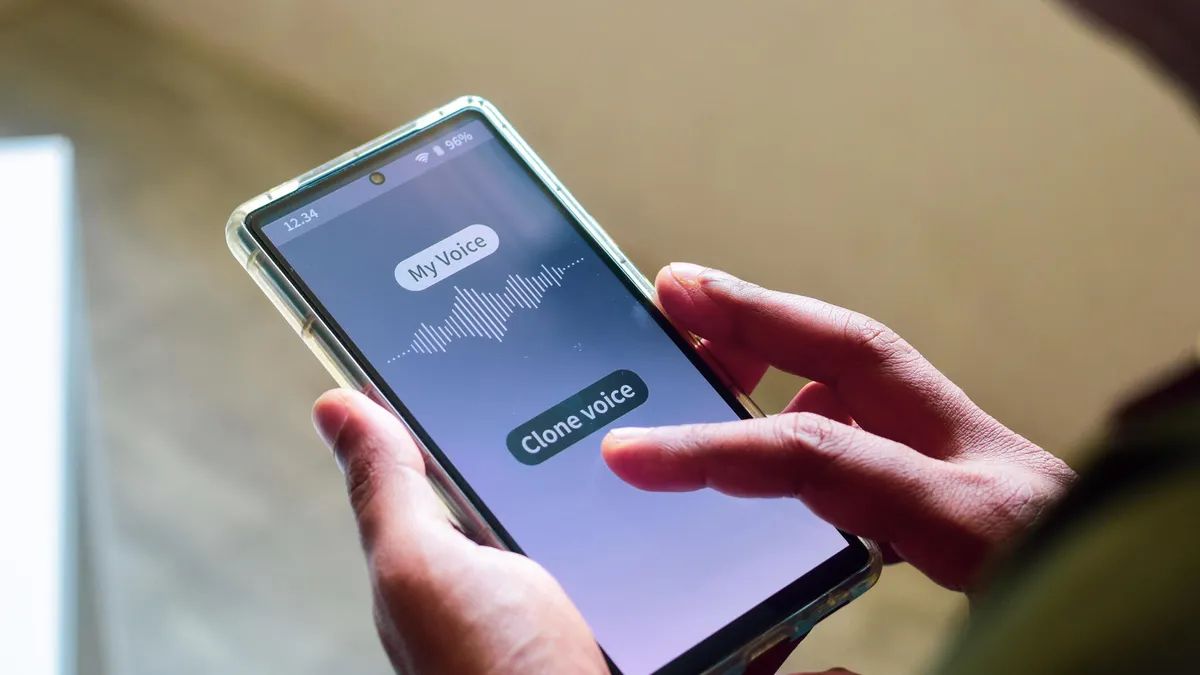
How AI Voice Cloning Works
Fraudsters can create convincing voice clones with minimal audio samples. Neal O'Farrell, founder of Think Security First! and the Identity Theft Council, notes that as little as 3 seconds of audio can be sufficient for a decent simulation. This audio is then processed through AI programs to generate a voice clone. Services are available for as little as $5 a month, offering access to tools capable of generating thousands of words using cloned voices. AI powered by large language models and text-to-speech software, enhances the realism of these scams.
Common Scam Scenarios
- Grandparent Scams: Scammers impersonate grandchildren in distress, claiming to be in jail or needing urgent medical assistance (FBI public service announcement).
- Impersonating Authority Figures: Fraudsters may pose as bosses, real estate agents (National Association of Realtors), lawyers, or financial advisors to request money transfers.
- Deepfake Kidnapping Scams: Scammers create fake videos of loved ones being kidnapped and then demand ransom money.
Identifying AI Scams
- Brief and Urgent Messages: Scammers often use short, urgent messages to create a sense of panic.
- Uncharacteristic Behavior: If the conversation feels "off," trust your intuition and verify independently.
- Unknown Numbers: Be wary of calls from unfamiliar numbers, even if they claim to be someone you know.
- Demands for Cryptocurrency or Gift Cards: Payment requests via unconventional methods should raise immediate suspicion.
Protective Measures
- Establish a Family Code Word: Create a code word that family members can use to verify their identity.
- Verify Independently: Always confirm the situation by contacting the individual directly through known channels.
- Limit Information Sharing: Be cautious about sharing personal information online, as scammers can use this data to create more convincing scams.
- Utilize Call Blocking and Monitoring Tools: [Company name: https://kveeky.com/news, company url: https://kveeky.com/news] offers tools like built-in call blockers and content monitoring to help protect against AI-driven scams.
Reporting and Remediation
- Report to Authorities: File a report with the Federal Trade Commission (FTC) and local law enforcement.
- Contact Financial Institutions: Alert your bank and credit card companies to report the fraud and secure your accounts.
- Credit Monitoring: Contact the three major credit reporting agencies to freeze your accounts and monitor for suspicious activity.
Protect your family from AI scams by staying informed and proactive. Visit [Company name: https://kveeky.com/news, company url: https://kveeky.com/news] today to explore our comprehensive security solutions.