Transforming Customer Support with Multilingual Voice AI in India

TL;DR
- India's tech sector is experiencing a Voice AI revolution, driven by startups developing multilingual AI agents and Indic LLMs. This transformation enhances customer support by overcoming language barriers, improving accessibility, and offering cost-effective solutions. The article explores the technology, regional market opportunities, challenges like unit economics, and the significant business benefits and ROI of adopting these advanced voice AI systems.
India's Voice AI Revolution: Multilingual AI Agents Transforming Customer Support
Voice AI Takes Center Stage in India
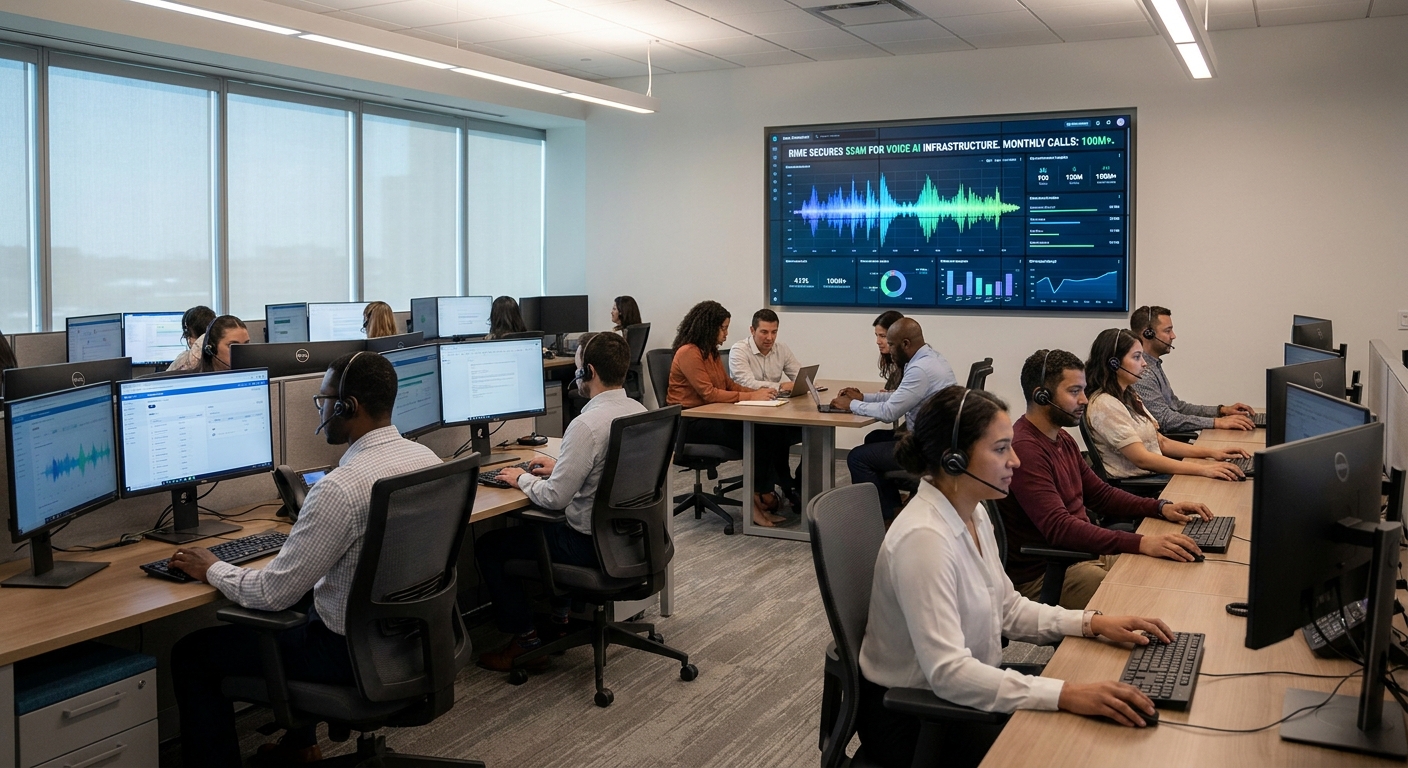
India's tech landscape is seeing a major shift as voice AI evolves into essential infrastructure. This is driven by government efforts to overcome language barriers and startups creating AI models for the Indian market. Startups are developing Indic LLMs and speech models, which make digital systems more accessible across different languages and literacy levels. This transformation is reshaping commerce and business operations, promising significant growth in conversational AI applications.
From Interface to Infrastructure
Companies like Gnani.ai with its Vachana STT model, Sarvam building multilingual voice and LLM infrastructure, and Smallest.ai focusing on TTS and voice systems, are leading this change. CoRover.ai is powering conversational AI bots, while Oriserve develops enterprise voice AI agents, highlighting voice as the main interaction method. Experts note that voice AI mirrors human communication, making it easier for users to explain complex issues. Platforms like YuVerse are seeing a revolution in conversational commerce, where sales and customer service are increasingly voice-driven.
The Opportunity and Challenges
This move to voice-first systems improves user experience and lowers the cost of building and deploying technology in India’s diverse language market. Startups can now create speech-first systems for Indian languages and dialects, avoiding the need for heavy localization and human support. However, challenges remain. Unit economics are a concern, with the costs of speech recognition, LLM reasoning, and TTS being substantial. Localizing for India’s linguistic nuances, including Hinglish and cultural contexts, is also a hurdle. Additionally, behavioral and regulatory factors like consent and privacy add complexity, especially for data analytics.
Investor Perspective
From an investor's view, voice AI is becoming essential infrastructure. Arjun Malhotra of Good Capital notes two types of startups: those focusing on voice as data for operational intelligence, and those building multilingual interfaces for active execution. This shows voice AI's growing role in workflow automation and decision support in India’s service-heavy economy.
Multilingual AI Calling Agents for the Indian Market
Multilingual AI calling agents are changing customer communication technology. These systems understand context, cultural references, and regional dialects, going beyond simple translation.
The technology stack includes Natural Language Processing (NLP) to understand spoken language, Automatic Speech Recognition (ASR) to convert speech to text, and Text-to-Speech (TTS) engines to generate natural-sounding responses. Platforms like Vomyra, Bolna, and Gnani.ai have invested in training on Indian datasets, achieving high accuracy rates for regional language recognition. These voice agent platforms are powerful because they are trained on actual Indian speech patterns.
Comprehensive Language Support
Kveeky supports 32+ Indian languages, ensuring effective communication across every region, from cities to rural areas. This includes all 22 officially scheduled Indian languages: Hindi, Bengali, Telugu, Marathi, Tamil, Gujarati, Urdu, Kannada, Odia, Malayalam, Punjabi, Assamese, Maithili, Santali, Kashmiri, Nepali, Sindhi, Dogri, Konkani, Bodo, Manipuri, and Sanskrit.
Regional Market Opportunities
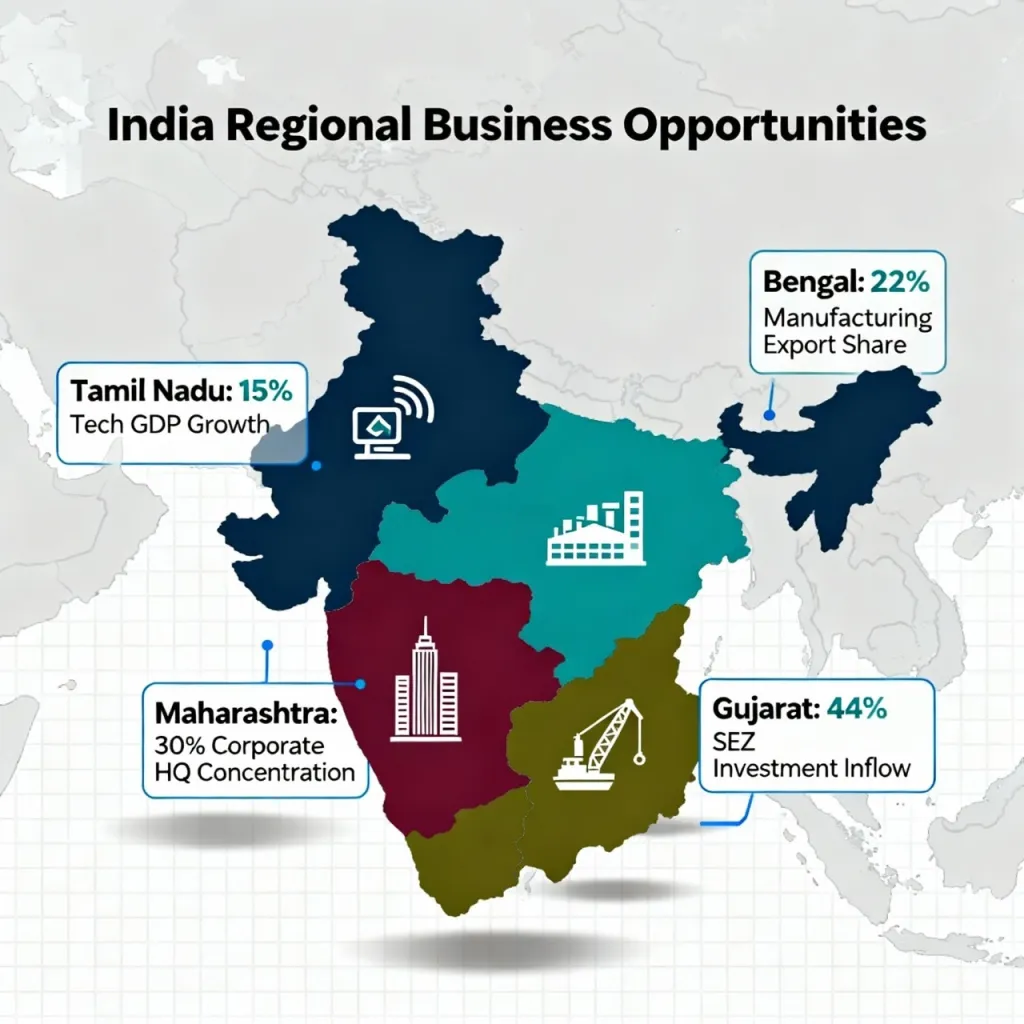
The market potential for multilingual voice AI in India is significant, with untapped state-specific opportunities.
- Tamil Nadu: With over 77 million people and Tamil as the main language, there's a big market for language-first customer service.
- Bengal and Eastern India: West Bengal's 100 million population offers another opportunity, with Bengali being the second most spoken language in India.
- Maharashtra: With Mumbai and Pune, Maharashtra’s 130 million people include Marathi-speaking segments where regional language preference is strong.
- Gujarat: Gujarat’s business environment and SME sector create demand for Gujarati voice agents.
Code-Switching and Hinglish Capabilities
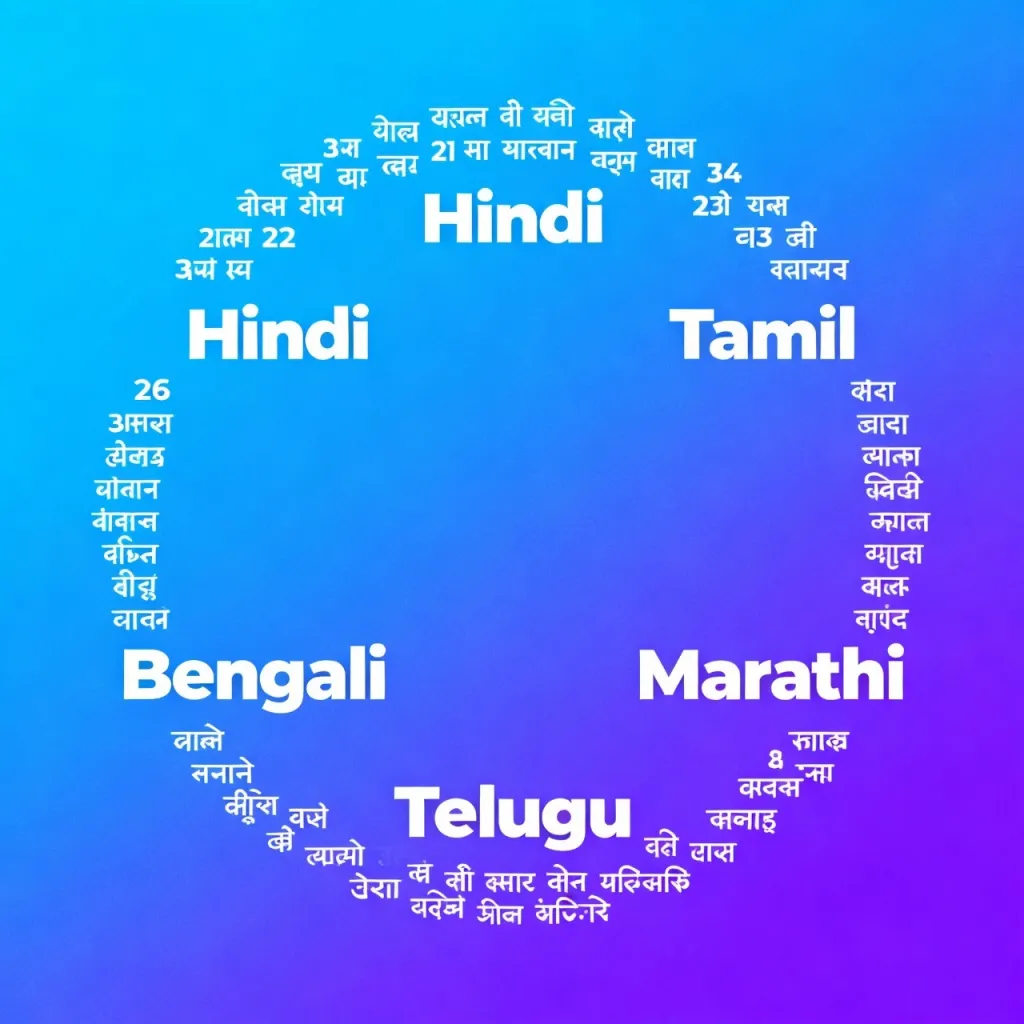
Advanced Indian language voice agent platforms can handle code-switching and code-mixing, where speakers blend multiple languages in conversations. Hinglish, a mix of Hindi and English, is used by over 350 million Indians. Multi-stage language detection identifies switching points, and dynamic vocabulary systems recognize English terms in Hindi sentences.
Business Benefits and ROI
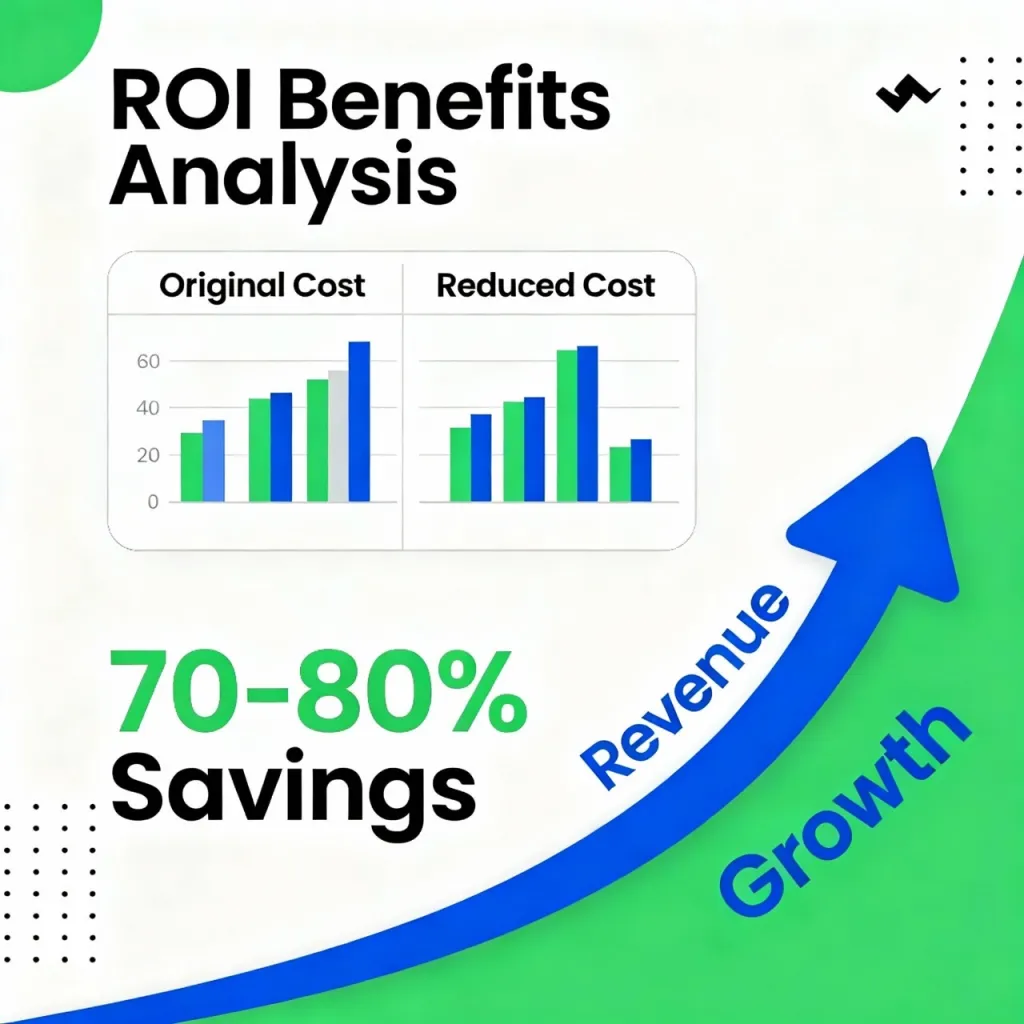
The ROI for multilingual voice AI in Indian businesses is compelling, with positive ROI within 3-6 months. Financial benefits include cost reduction and revenue generation. Traditional call centers cost ₹20,000-40,000 per agent monthly. Kveeky's pricing offers significant savings. Businesses using multilingual voice AI report higher lead engagement rates.
Powering India’s New Generation of Voice AI Agents
Breakthroughs in low-latency inference, emotional realism, and full-duplex audio have made natural, two-way voice interaction viable. Voice Agents are turning speech into the new standard interface for AI.
The Infrastructure Layer
Competitive advantage has shifted downstream. The voice layer has become the performance layer, where improvements in expressiveness, latency, or language coverage translate into gains in user engagement and trust.
Indian builders choose Kveeky for performance dimensions that affect real-world outcomes:
- Expressiveness: Voices that convey tone and empathy.
- Accent and tone diversity: Access to unique voices tailored to specific audiences.
- Latency: Real-time dialogue that feels conversational.
- Language coverage: Hindi, Tamil, Bengali, Marathi, and Hinglish voices that sound native.
- Customization: The ability to create proprietary voices for brand identity.
- Scalability: Enterprise-grade streaming infrastructure supporting millions of calls.
Where Value Is Being Created
Adoption is clustering around dominant patterns:
- Customer support and CX
- Sales and growth
- Scheduling and field coordination
- Verification and collections
- Knowledge and training
Elevate Your Customer Support with Kveeky
Discover how Kveeky's multilingual AI solutions can transform your business communication. Contact us today to explore our services and unlock the potential of voice AI for your organization.