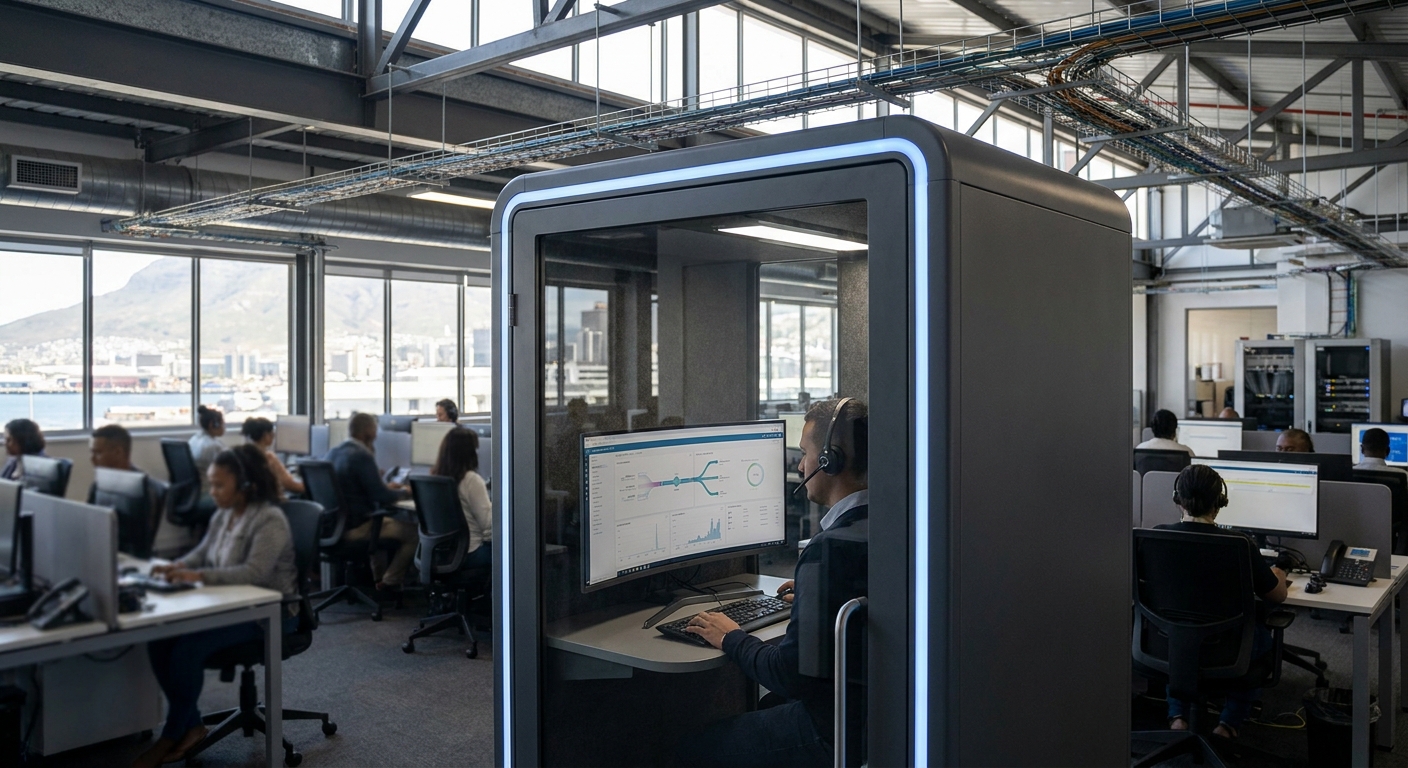
Amazon Commits $200 Billion to Scaling Multimodal AI Infrastructure for Enterprise Voice and Synthetic Media

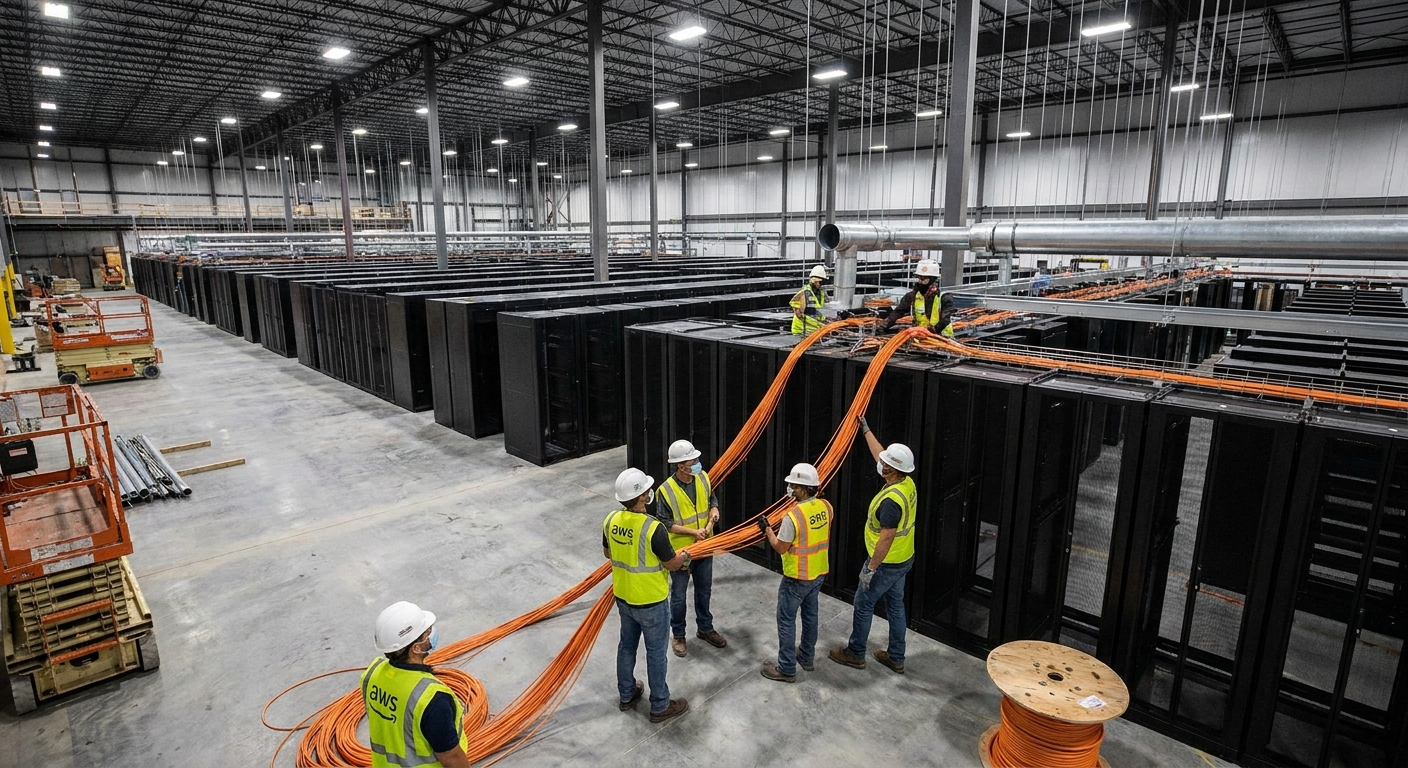
Amazon has just dropped a financial bombshell: a $200 billion capital expenditure plan for 2026. This isn’t just a budget increase; it’s a massive, high-stakes pivot toward the physical bedrock of the future—data centers, satellite networks, and the specialized hardware needed to run the next generation of multimodal AI. By choosing to dump this much capital into long-term infrastructure rather than playing it safe for the quarterly earnings call, Amazon is effectively betting the house on the idea that he who owns the pipes owns the internet.
The market? It didn’t exactly cheer. When that $200 billion figure hit the wire, it blew past Wall Street’s expectations by a cool $50 billion. The reaction was swift and brutal: Amazon’s share price took a 10% hit in after-hours trading. Investors are sweating, and frankly, it’s easy to see why. They’re looking at the current economic climate and wondering when—or if—they’ll ever see a return on a pile of cash this size.
But Andy Jassy isn’t blinking. The Amazon CEO has been on the defensive, but it’s a defiant kind of defense. He’s made it clear that the company has zero interest in playing it conservative. In his view, this spending isn’t optional; it’s the price of admission to the AI big leagues. As reported by CNBC, Jassy sees this massive outlay as the only way to keep Amazon’s head above water in a sector that is moving at a breakneck pace.
The Arms Race for Infrastructure
Amazon isn’t alone in this spending spree. We are witnessing a collective, trillion-dollar scramble among the tech titans to secure the physical guts of the AI revolution. If you add up the planned 2026 capital spending for Amazon, Microsoft, Meta, and Alphabet, you’re looking at north of $500 billion. That is an eye-watering amount of money, all aimed at one goal: building the compute power required to handle enterprise-grade voice AI and complex synthetic media.
Alphabet is right there in the trenches with them, mapping out a $185 billion spend of its own. It’s a fundamental shift. For years, these companies were software-first. Now, they’re becoming industrial giants, pouring billions into the heavy-duty, physical infrastructure—the literal steel and silicon—needed to host the massive models that will define the coming decade.

To put the sheer scale of this into perspective, look at the 2026 projections:
| Company | 2026 Projected Capital Expenditure |
|---|---|
| Amazon | $200 Billion |
| Alphabet (Google) | $185 Billion |
| Industry Aggregate (Top 4) | >$500 Billion |
Building the Backbone
So, where does $200 billion actually go? It’s not just one thing. It’s a three-pronged strategy: data centers, satellite connectivity, and AI-specific hardware. Amazon is essentially trying to build a global nervous system for AI. They want to be the ones providing the compute power that every other business uses to deploy their own multimodal tools. If you’re a company looking to build an enterprise AI service, Amazon wants to make sure you’re building it on their foundation.
It’s a bold move, but it’s not without its critics. As The Spokesman-Review recently highlighted, the industry is locked in a fierce debate over whether this level of spending is even sustainable. The hurdles are massive:
- Market Pressure: Convincing shareholders that the payoff is coming, even if it’s years down the road.
- Capacity Scaling: The logistical nightmare of building out data centers fast enough to keep up with the insatiable demand for AI compute.
- Competitive Positioning: The constant risk that the hardware you build today will be obsolete by the time the next generation of models hits the market.
The Long Game
We’re watching a classic tug-of-war between short-term financial optics and long-term strategic survival. Amazon’s leadership seems to have made their choice: they’d rather deal with a temporary stock dip than be the company that missed the AI boat entirely.
They are, in essence, trying to build a moat. By controlling the infrastructure—the data centers, the satellites, the chips—they are positioning themselves as the indispensable utility of the AI age. It’s a high-risk gamble, and the financial markets are clearly on edge.
The real question, however, isn't whether they can spend the money—it’s whether they can turn it into something useful. Can they take this massive industrial footprint and turn it into revenue-generating products that businesses actually want to buy? As we move through 2026, the entire industry will be watching. They’re betting $200 billion that they can, and the stakes couldn't be higher. If they’re right, they’ll have effectively secured the future of the cloud. If they’re wrong, it’ll be a cautionary tale for the ages. Either way, the era of the "AI infrastructure arms race" is officially here, and it’s going to be an expensive ride.