
Google Releases Gemini 3.1 Flash with Enhanced Multimodal Capabilities for Enterprise Voice Infrastructure


Google Drops Gemini 3.1 Flash: A New Standard for Enterprise Voice
Google just pulled the curtain back on Gemini 3.1 Flash, and it’s clear they aren't playing around when it comes to voice. We’re talking about a massive leap in how AI handles audio—moving away from the "uncanny valley" of robotic, monotone responses toward something that actually sounds like it has a pulse. This update hits the market with two heavy hitters: Gemini 3.1 Flash TTS (Text-to-Speech) and Gemini 3.1 Flash Live.
The goal here is simple but ambitious: kill the latency and inject some genuine personality into AI interactions. Whether it’s pacing, emotional inflection, or just knowing when to pause, Google is betting that the future of enterprise voice infrastructure depends on sounding less like a calculator and more like a human.
Getting Granular with Gemini 3.1 Flash TTS
If you’ve spent any time in Google AI Studio or Vertex AI, you know the drill. But this isn't just another incremental update. Gemini 3.1 Flash TTS is built to scale, supporting over 70 languages and regional dialects right out of the gate.
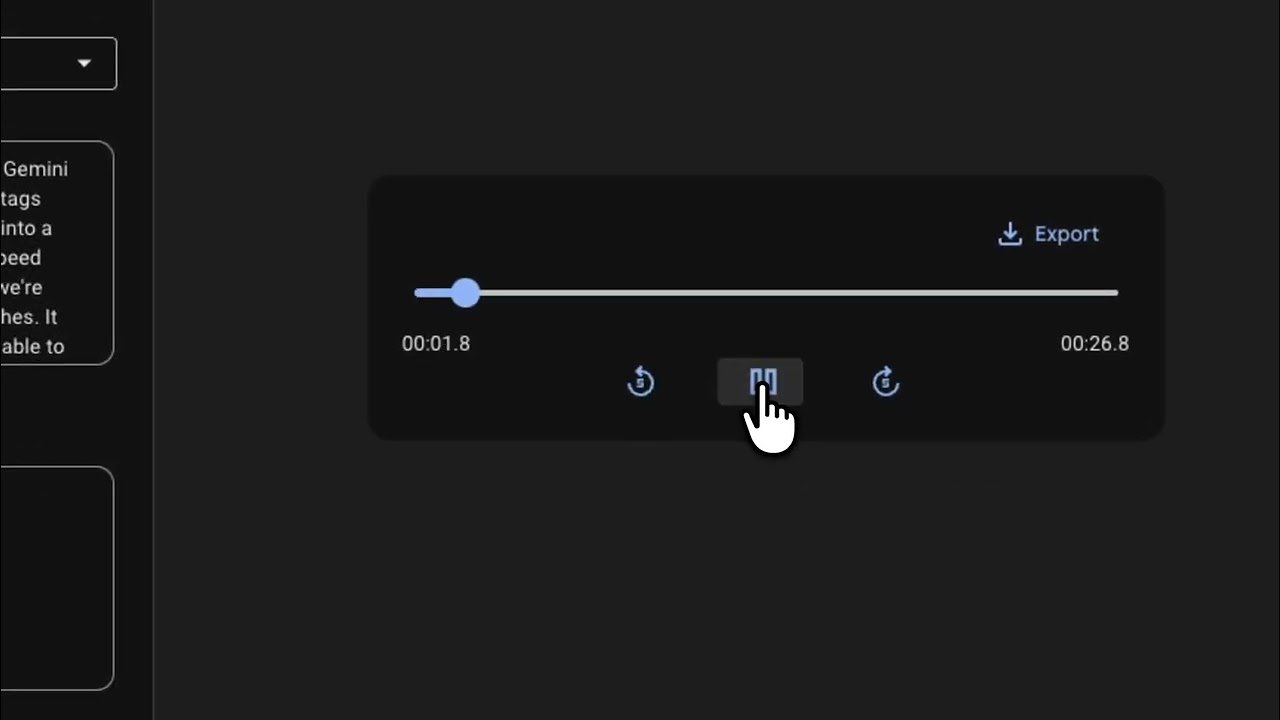
The real magic, though, is the control. Google has introduced a system that lets developers steer the ship using over 200 natural language audio tags. Forget about wrestling with complex code to change a tone; now, you just drop a tag like [whispers], [fast], or [excitement] into your prompt. It’s a game-changer for anyone trying to build a brand voice that doesn't put customers to sleep.
You get 30 prebuilt voices that are engineered to stay crisp, even in noisy environments. And because we live in an era where "seeing is believing" (or hearing is believing), Google has baked in SynthID watermarking. It’s a necessary nod to transparency, ensuring that AI-generated audio doesn't get mistaken for the real thing in sensitive enterprise workflows.
The Tech Breakdown
For those keeping score, here is how the new TTS model stacks up:
| Feature | Specification |
|---|---|
| Language Support | 70+ languages and regional variants |
| Control Mechanism | 200+ natural language audio tags |
| Base Voices | 30 prebuilt options |
| Identification | SynthID watermarking included |
| Access Points | Google AI Studio, Vertex AI |
If you are ready to start tinkering, the documentation on voice options and language availability is already live. It’s worth a deep dive if you want to understand how these tags actually shift the model's delivery in real-time.
Gemini 3.1 Flash Live: Real-Time Conversations That Actually Work
While the TTS model handles the "what" and "how" of speech, Gemini 3.1 Flash Live is all about the "when." It’s designed for the messy reality of live interaction.
Think about how you talk to a colleague. You interrupt each other, you pause, you change topics mid-sentence. Traditional AI usually chokes on this, resulting in that awkward, robotic silence while the server "thinks." Flash Live is built to handle that flow. By slashing latency and keeping the context alive, it makes the AI feel like a participant in a conversation rather than a vending machine for information. For enterprises, this means customer service bots that don't sound like they’re reading from a script written in 1995.
What This Means for the Enterprise
This isn't just about making things sound "nice." It’s about utility. Whether you’re building accessibility tools that need to convey nuance or customer service platforms that need to de-escalate a frustrated caller, the ability to modulate tone is a massive competitive advantage.
Google is positioning the Gemini 3.1 architecture as the backbone for this new wave of voice-enabled applications. The implementation is modular, meaning you don't have to overhaul your entire stack to start testing these features. You can pull in the audio tags, swap in a new voice, and see how it performs in your specific environment.
As we look at the official documentation, it’s clear that the industry is hitting a pivot point. We are moving past the "can the AI do it?" phase and into the "can the AI do it with style?" phase. With Gemini 3.1 Flash, Google has provided the tools; now it’s up to developers to figure out how to use them to make machines a little more human.