New Latency Benchmarks Reveal Real-Time TTS API Advancements Powering Instant AI Call Center Agents

TL;DR
- New TTS APIs achieve sub-millisecond latency for human-like AI interactions.
- TTFA and TTFB metrics are now the standard for measuring agent responsiveness.
- Performance breakthroughs include a 25x reduction in operational costs for developers.
- Models like Inworld TTS-1.5-Max are setting new industry ELO standards.
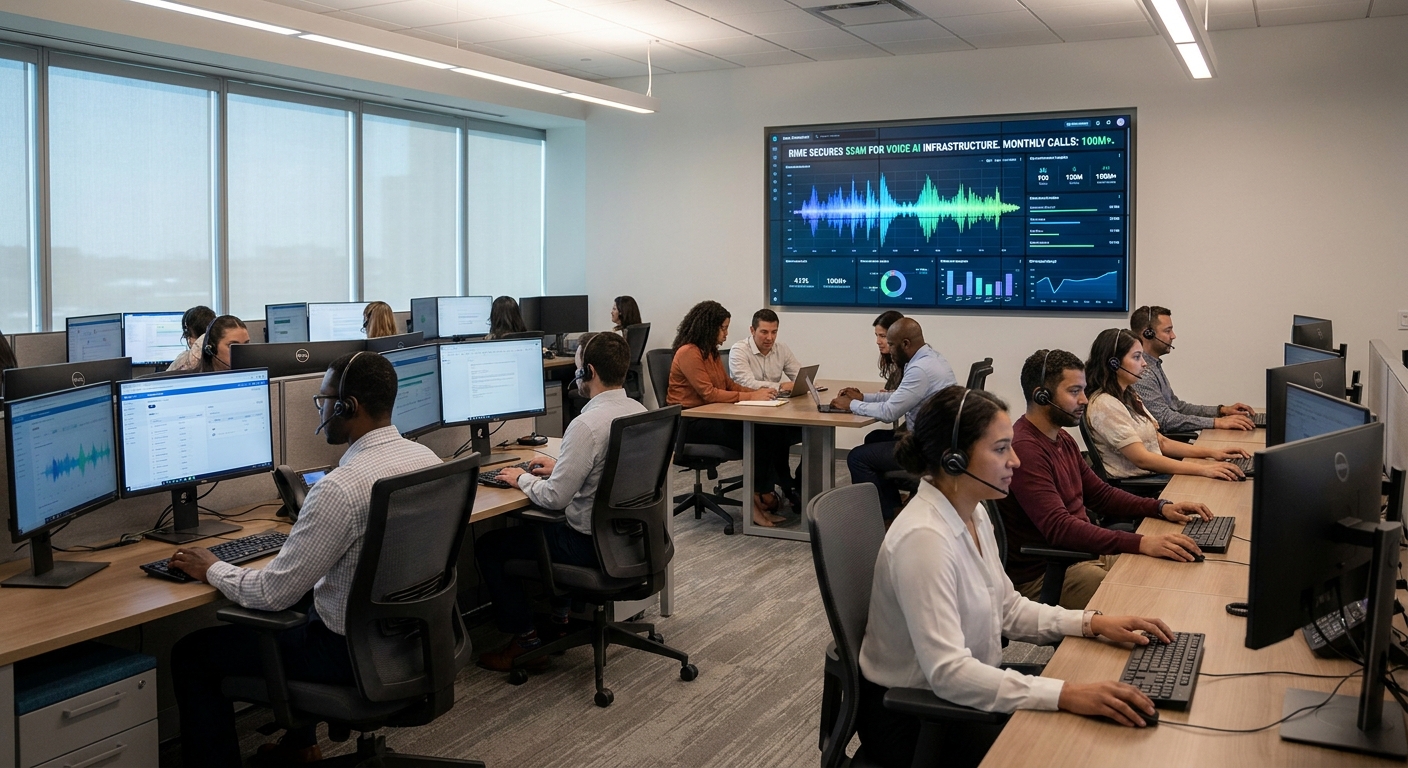
The world of real-time voice AI just hit a breaking point. If you’ve spent any time waiting for an AI agent to "think" before it speaks, you know the pain—that awkward, robotic pause that kills the illusion of a natural conversation. But in 2026, the game has changed. A new wave of Text-to-Speech (TTS) APIs is hitting the market, and they aren’t just faster; they’re fundamentally altering how we build customer support infrastructure. We’re talking about sub-millisecond response times and a massive drop in operational costs that makes deploying human-like agents a standard business move rather than a luxury R&D project.
The technical hurdle used to be simple: latency. If an agent takes too long to respond, the conversation feels broken. Today, the industry is obsessed with two specific metrics: Time-to-First-Audio (TTFA) and Time-to-First-Byte (TTFB). These aren't just vanity numbers. They are the heartbeat of a fluid interaction. As companies scale their support operations, the ability to keep these numbers low—consistently—is the only thing separating a high-performing agent from a glitchy, frustrating mess.
The Current State of TTS Performance
Performance isn't a monolith anymore. You can’t just pick one model and hope for the best. Some are built for raw, blistering speed, while others prioritize linguistic nuance and high-fidelity output. The latest data from the Artificial Analysis Speech Arena paints a clear picture: the competition is fierce. Models are getting faster, sure, but they’re also getting cheaper—some are hitting the market at a staggering 25x cost reduction compared to what we were using just a year ago.
Take the Inworld TTS-1.5-Max, for instance. It’s currently sitting at the top of the pack with an ELO of 1,160. It manages to keep latency under the 250ms mark while costing just $10 per million characters. For developers, this is a massive win. It means building Inworld AI agents that actually feel like they’re listening to you, rather than just processing a script. If you want to dive into the weeds, this comprehensive analysis of voice AI TTS APIs breaks down exactly how these models stack up in the real world.

Comparative Performance Metrics
When you’re building a voice stack, you need to know which tool fits which job. Here is how the current heavy hitters compare:
| Model | Metric Type | Performance | Primary Use Case |
|---|---|---|---|
| Cartesia Sonic 3 | TTFA | 40ms | Ultra-fast interaction |
| Kokoro TTS | TTFB | 97ms | High-volume, latency-critical |
| Orpheus TTS | TTFB | 187ms | High-fidelity output |
| Inworld TTS-1.5-Max | Latency | <250ms | Balanced production agents |
Infrastructure and Streaming Innovations
TTS is only half the battle. To make a voice agent work, you need a closed loop—speech-to-text (STT) has to be just as fast as the response generation. Together AI is making waves here with their infrastructure tools, specifically their streaming Whisper models. They’ve managed to shave 35% off the transcription time, which is a massive leap for real-time applications. By offloading these heavy compute tasks to serverless APIs, developers can stop worrying about the plumbing and start focusing on the actual conversation.
The rise of open-source models like Kokoro and Orpheus is a game-changer for anyone who wants granular control over their voice stack. Kokoro is particularly interesting—it’s built for the "every millisecond counts" crowd. It’s the perfect baseline for high-volume environments where heavier models would just introduce lag that ruins the user experience.
Strategic Considerations for Voice Agents
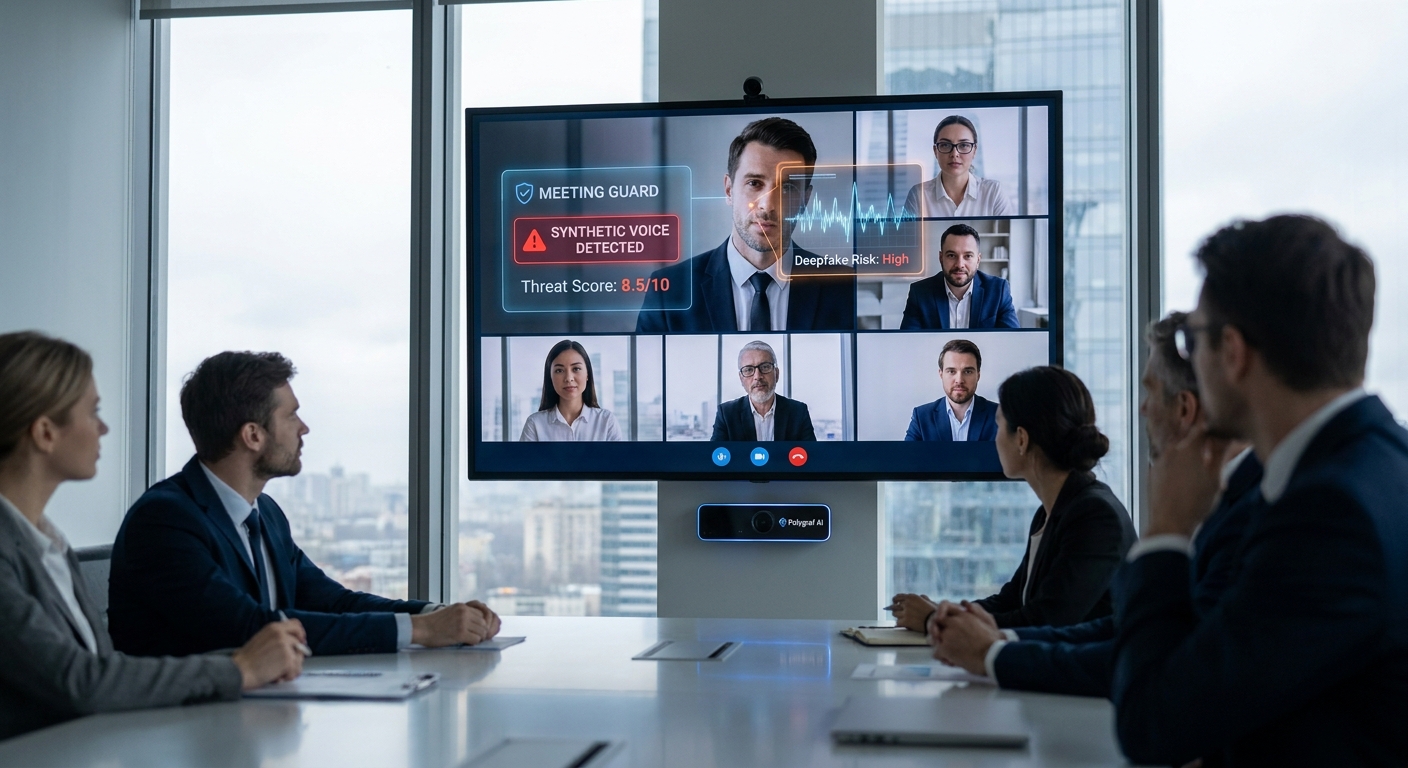
Let’s be honest: in customer support, latency is the enemy. If your agent is slow, the user will start talking over it. That leads to "talk-over" incidents, which inevitably leads to user frustration and dropped calls. As highlighted in recent research on voice AI agent latency, the goal isn't just to be "good enough." It’s to reach a state where the AI is indistinguishable from a human in terms of processing speed.
If you’re planning a deployment, keep these factors in mind:
- Language Support: If you’re going global, ElevenLabs v3 and Google Cloud Studio are still the heavyweights, covering 70+ and 75+ languages respectively.
- Specialized Accuracy: Don't overlook models like Voxtral Mini. They are becoming the go-to for tough audio conditions and regional dialects, which is a lifesaver in fragmented markets like Europe.
- Cost Efficiency: The 25x cost reduction isn't just a spreadsheet win. It means you can scale your agents to handle massive call volumes without blowing your budget.
- Infrastructure Synergy: The gold standard right now is pairing low-latency TTS with optimized transcription models, a workflow that’s becoming the backbone of enterprise-grade agents on the Inworld AI platform.
We are rapidly approaching a point where a sub-200ms response time is the baseline, not the exception. The industry is moving fast. Once we’ve mastered the speed and the cost, the next frontier is emotional nuance and context. We’re moving from agents that can talk to agents that can actually connect. And honestly? We’re almost there.